
The 10-Minute Daily Check-In That Fixes More Relationships Than Therapy

Quick Tip
Spend 10 minutes daily checking in with your partner—consistent small conversations prevent big relationship problems.
Most couples don’t break because of one dramatic moment. They drift. Slowly, quietly, and often without realizing it until things feel off. What’s wild is how small the fix can be when you catch it early.
Here’s the one habit I keep coming back to: a 10-minute daily check-in. Not a deep therapy session. Not a forced “we need to talk.” Just a short, intentional pause where both people show up, pay attention, and actually connect.

Why This Works (When Bigger Efforts Don’t)
Most couples try to fix problems when they’re already frustrated. That’s like trying to repair a leak during a storm. You’re reactive, defensive, and tired.
The daily check-in flips that dynamic. It creates a low-pressure, predictable space where communication happens before things pile up. No drama required.
It also removes the biggest excuse people have: “We just didn’t have time.” Ten minutes is not the problem. Avoidance is.

What a 10-Minute Check-In Actually Looks Like
This is where people overcomplicate things. Don’t. The structure is simple and repeatable.
- Minute 1–2: One person shares how they’re feeling today (no interruptions)
- Minute 3–4: The other person reflects back what they heard
- Minute 5–6: Switch roles
- Minute 7–8: Share one small appreciation
- Minute 9–10: Ask: “Anything we should adjust for tomorrow?”
That’s it. No problem-solving marathons. No interrogations. Just clarity and presence.

The Rules That Make or Break This Habit
If you skip these, the check-in turns into another argument disguised as a routine.
- No phones. If it’s in your hand, you’re not present.
- No fixing. Listening beats solving during this window.
- No scorekeeping. This isn’t about who’s right.
- No skipping two days in a row. Miss one? Fine. Miss two? You’re back to drifting.
Simple rules, but they matter more than the format itself.

What Changes After a Week (And After a Month)
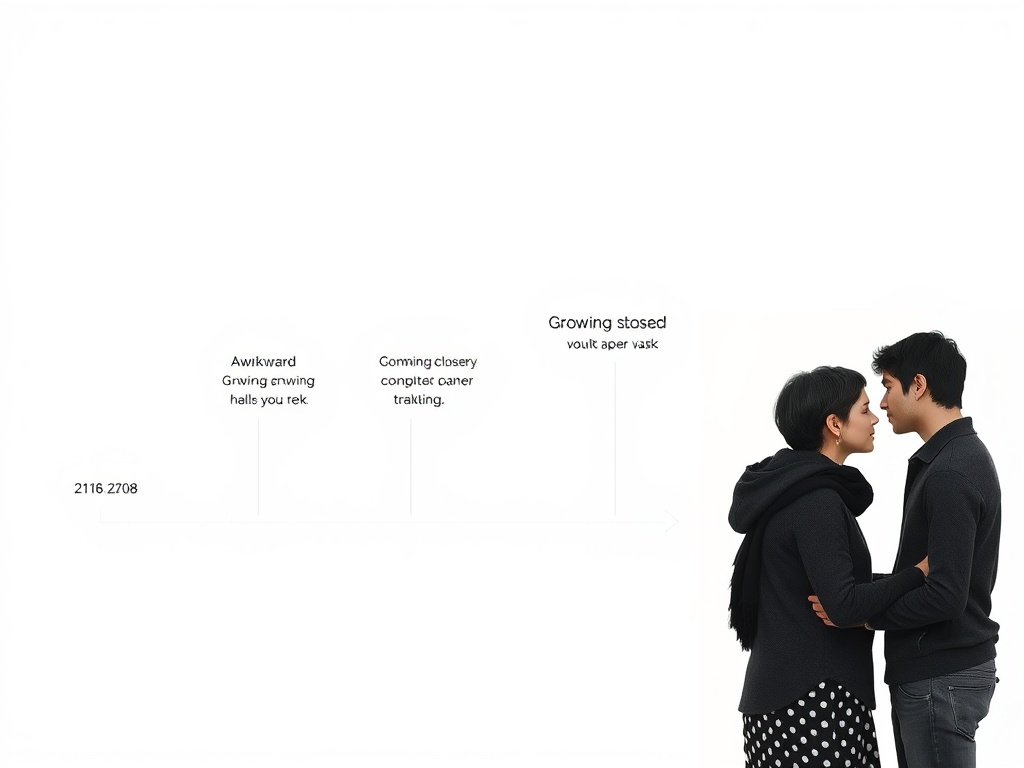
The first few days feel awkward. That’s normal. You’re building a muscle you haven’t used consistently.
After about a week, something shifts. Conversations get smoother. You start noticing patterns—stress, habits, small annoyances—before they escalate.
After a month, the real payoff shows up. You’re not just reacting anymore. You’re aligned. You understand each other’s emotional baseline instead of guessing it.
That’s where relationships start to feel easy again—not because there are no problems, but because nothing is silently growing in the background.
Why Most Couples Won’t Do This (And Why That’s the Opportunity)
Let’s be honest. This sounds almost too simple. That’s exactly why people ignore it.
We’re wired to believe big problems need big solutions. Expensive trips. Long talks. Dramatic changes.
But relationships are built—or broken—on small, repeated moments. This is one of those moments.
The couples who actually stick to this don’t feel “lucky.” They feel connected because they’re consistently showing up.

How to Start Without Overthinking It
Pick a time that already exists in your routine. After dinner. Before bed. During a walk. Don’t create a new slot—attach it to something you already do.
Set a timer. Keep it short. End on time. That’s what makes it sustainable.
If one of you is skeptical, don’t argue about it. Just try it for three days. Most people change their mind once they feel the difference.
And if it feels awkward at first? Good. That means you’re doing something real instead of running the same autopilot patterns.

The Quiet Power of Showing Up Daily
There’s nothing flashy about this habit. No big reveal. No viral moment.
But it works because it’s consistent, human, and hard to fake. You either show up or you don’t.
And over time, those ten minutes stack into something most couples are chasing: trust, ease, and the feeling that you’re actually on the same team.
If you try one thing this week, make it this. Not because it’s trendy—but because it quietly fixes what most people overlook.